Korean Bibimbap
Highlighted under: Cultural Planning
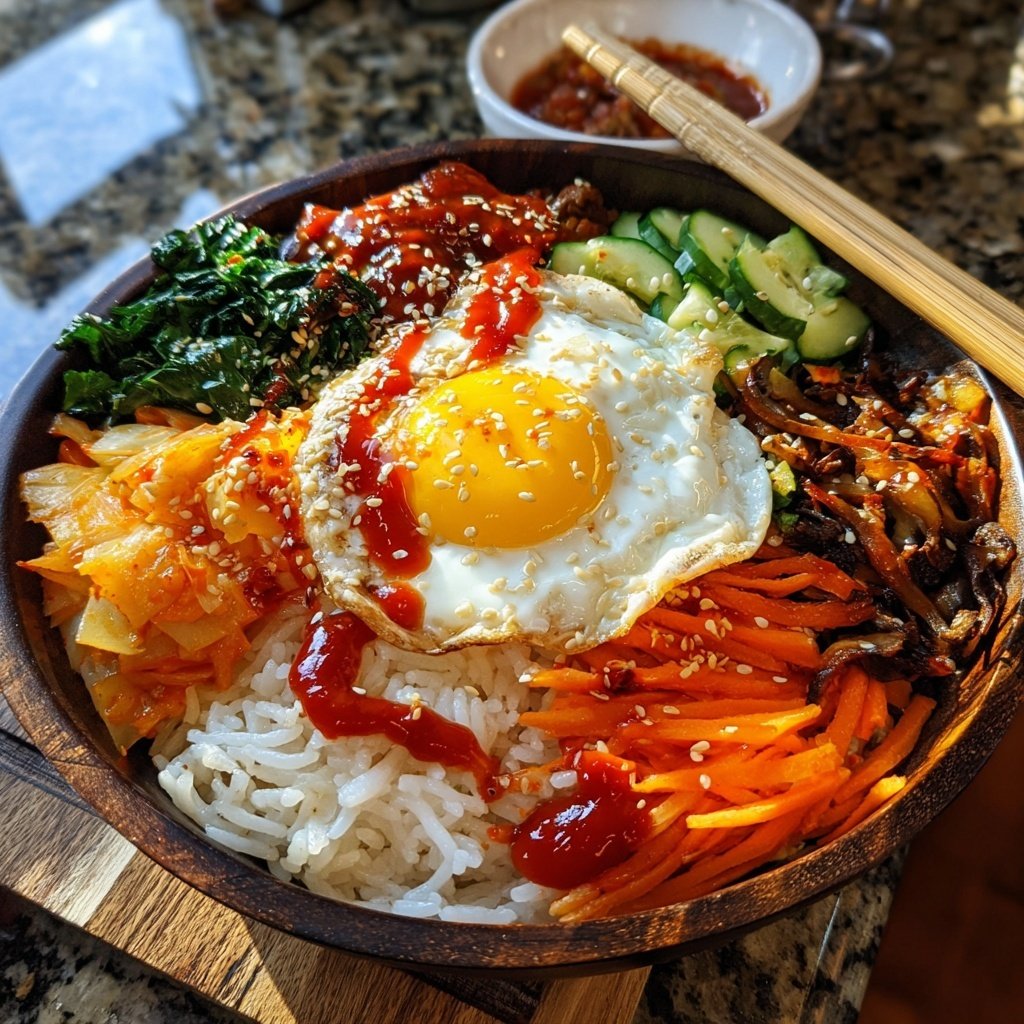
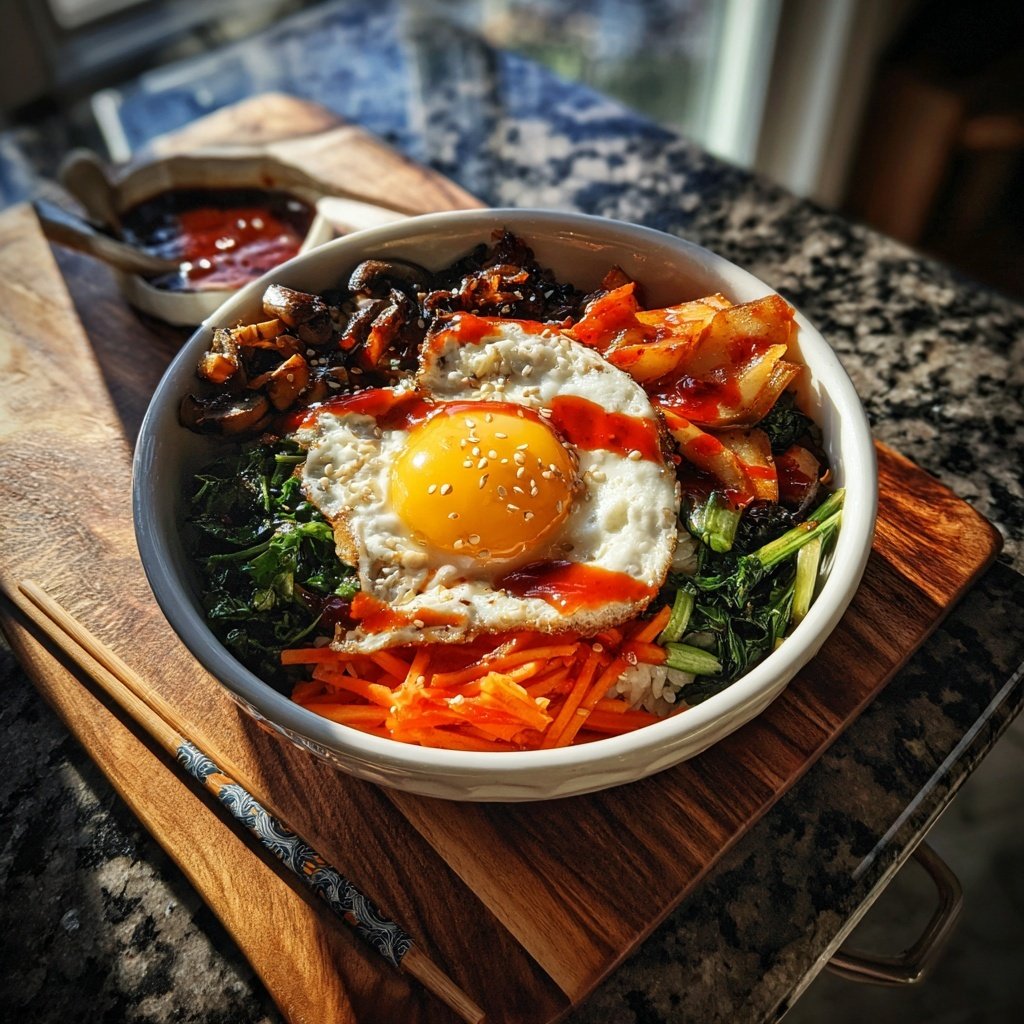
Korean Bibimbap is a vibrant and nutritious mixed rice dish topped with a variety of vegetables, meat, and a fried egg, all drizzled with spicy gochujang sauce.
Korean Bibimbap is not just a meal; it's a beautiful representation of Korean culture and cuisine. Each ingredient is carefully selected and prepared to create a harmonious balance of flavors and textures.
Why You Will Love This Recipe
- Rich in flavors with a perfect balance of spicy and savory
- Colorful presentation that tempts the eyes
- Customizable with your favorite vegetables and proteins
The Heart of Korean Cuisine
Bibimbap is more than just a dish; it’s a representation of Korean culture and tradition. Each ingredient in bibimbap holds significance, reflecting the importance of balance and harmony in Korean meals. The vibrant colors of the vegetables symbolize prosperity and good fortune, making this dish not only a feast for the taste buds but also for the eyes. The mix of flavors and textures creates a satisfying experience that highlights the essence of Korean cuisine.
The versatility of bibimbap allows for endless customization. Whether you're a vegetarian looking to skip the meat or a meat lover craving hearty flavors, bibimbap can cater to your preferences. You can easily swap out vegetables or proteins based on what you have on hand, making it a go-to option for using up leftovers. This adaptability is part of what makes bibimbap a favorite in many households.
Nutritional Benefits
Korean Bibimbap is a nutritious meal that provides a well-rounded balance of carbohydrates, proteins, and vitamins. The base of rice offers a great source of energy, while the assortment of vegetables contributes essential nutrients and fiber. The addition of protein from meat or eggs ensures you’re getting the necessary building blocks for muscle repair and overall health.
Moreover, the inclusion of gochujang not only adds a signature spicy kick but also comes with health benefits. This fermented chili paste contains probiotics that promote gut health. Combined with sesame oil, which is rich in healthy fats, bibimbap becomes a wholesome dish that nourishes both body and soul.
Serving Suggestions
Bibimbap is best served fresh and hot, allowing the flavors to meld beautifully. For an authentic experience, you can also serve it in a hot stone bowl, known as dolsot bibimbap. The heat from the stone creates a delightful crispy rice layer at the bottom, enhancing the texture and flavor of the dish. It’s a fun way to enjoy bibimbap that adds an extra element to your meal.
Pair your bibimbap with traditional Korean side dishes, known as banchan, like kimchi or pickled vegetables, to elevate the experience. These sides not only complement the flavors of bibimbap but also contribute to a well-rounded meal. Don't forget to have extra gochujang on the side for those who love a bit more heat!
Ingredients
Gather all the ingredients before you start cooking.
Ingredients for Bibimbap
- 2 cups cooked rice
- 1 cup assorted vegetables (carrots, zucchini, spinach, mushrooms)
- 1 cup cooked meat (beef or chicken)
- 2 eggs
- 2 tablespoons gochujang (Korean chili paste)
- 1 tablespoon sesame oil
- Salt and pepper to taste
- Sesame seeds for garnish
Make sure all ingredients are prepped and ready to go for a smooth cooking experience.
Instructions
Follow these steps to create your own delicious Bibimbap.
Prepare the Vegetables
Julienne the carrots and zucchini. Sauté each vegetable separately in a bit of sesame oil until tender. Season with salt and pepper.
Cook the Meat
In a pan, cook the meat of your choice until fully cooked. Season with a little salt and pepper.
Fry the Eggs
Fry the eggs sunny-side up in the same pan, keeping the yolk runny for added richness.
Assemble the Bibimbap
In a bowl, place the cooked rice at the bottom. Arrange the sautéed vegetables, meat, and fried egg on top. Drizzle with gochujang and sesame oil.
Garnish and Serve
Sprinkle sesame seeds on top and serve immediately, mixing everything together before eating.
Enjoy your homemade Korean Bibimbap!
Pro Tips
- Feel free to customize the vegetables and protein to suit your preferences. Adding more gochujang will increase the spiciness.
Tips for Perfect Bibimbap
To achieve the best texture and flavor in your bibimbap, ensure that your vegetables are not overcooked. Sauté them just until tender to maintain their vibrant colors and crunch. This will not only enhance the dish visually but will also provide a satisfying contrast in textures.
When cooking the meat, consider marinating it beforehand in a mixture of soy sauce, garlic, and sesame oil for added flavor. This simple step transforms your protein into a tender and savory component of the dish, making each bite delightful.
Storing Leftovers
If you have leftover bibimbap, store the components separately to maintain freshness. Keep the rice, vegetables, and meat in airtight containers in the refrigerator. When you're ready to enjoy your leftovers, simply reheat the rice and vegetables together, and add a fresh fried egg on top for a quick meal.
For meal prepping, you can prepare the vegetables and proteins in advance. This will save you time during the week and allow you to mix and match ingredients based on your cravings. Bibimbap is perfect for those busy days when you need a nutritious meal in a hurry!
Questions About Recipes
→ Can I make Bibimbap vegetarian?
Absolutely! Just omit the meat and add more vegetables or tofu.
→ What can I use instead of gochujang?
You can use sriracha or a mix of chili powder with a bit of sugar, though the flavor will differ.
→ How can I make this dish spicier?
Increase the amount of gochujang or add sliced fresh chili peppers.
→ Can I prepare this dish in advance?
You can prep the ingredients ahead of time, but it's best to assemble and serve right before eating for freshness.
Korean Bibimbap
Created by: Francesca Holt
Recipe Type: Cultural Planning
Skill Level: Intermediate
Final Quantity: 2 servings
What You'll Need
Ingredients for Bibimbap
- 2 cups cooked rice
- 1 cup assorted vegetables (carrots, zucchini, spinach, mushrooms)
- 1 cup cooked meat (beef or chicken)
- 2 eggs
- 2 tablespoons gochujang (Korean chili paste)
- 1 tablespoon sesame oil
- Salt and pepper to taste
- Sesame seeds for garnish
How-To Steps
Julienne the carrots and zucchini. Sauté each vegetable separately in a bit of sesame oil until tender. Season with salt and pepper.
In a pan, cook the meat of your choice until fully cooked. Season with a little salt and pepper.
Fry the eggs sunny-side up in the same pan, keeping the yolk runny for added richness.
In a bowl, place the cooked rice at the bottom. Arrange the sautéed vegetables, meat, and fried egg on top. Drizzle with gochujang and sesame oil.
Sprinkle sesame seeds on top and serve immediately, mixing everything together before eating.
Extra Tips
- Feel free to customize the vegetables and protein to suit your preferences. Adding more gochujang will increase the spiciness.
Nutritional Breakdown (Per Serving)
- Calories: 500 kcal
- Total Fat: 20g
- Saturated Fat: 4g
- Cholesterol: 185mg
- Sodium: 600mg
- Total Carbohydrates: 65g
- Dietary Fiber: 5g
- Sugars: 5g
- Protein: 18g