Small Backyard Chicken Run Plan
Highlighted under: Simple Planning
When I decided to build a small chicken run in my backyard, I was filled with excitement and a bit of apprehension. I wanted a structure that was functional yet practical for my little flock. Through careful planning and design, I was able to create an efficient run that not only keeps my chickens safe but also allows them to enjoy the outdoors. I’ll share my experience so you can create your own perfect chicken run without a hitch!
Building my chicken run was not just about having fresh eggs; it was also about giving my chickens a safe place to roam. I carefully selected materials that would withstand weather elements while also being affordable. Using a mix of wood and fencing, I crafted a space that turned out just right for my little hens, allowing for their comfort and security.
One of the tips I learned was to ensure proper drainage in the run to avoid mud during rainy days. This simple addition has kept the area dry and maintained the overall health of my chickens, making their living environment pleasant and easy to maintain.
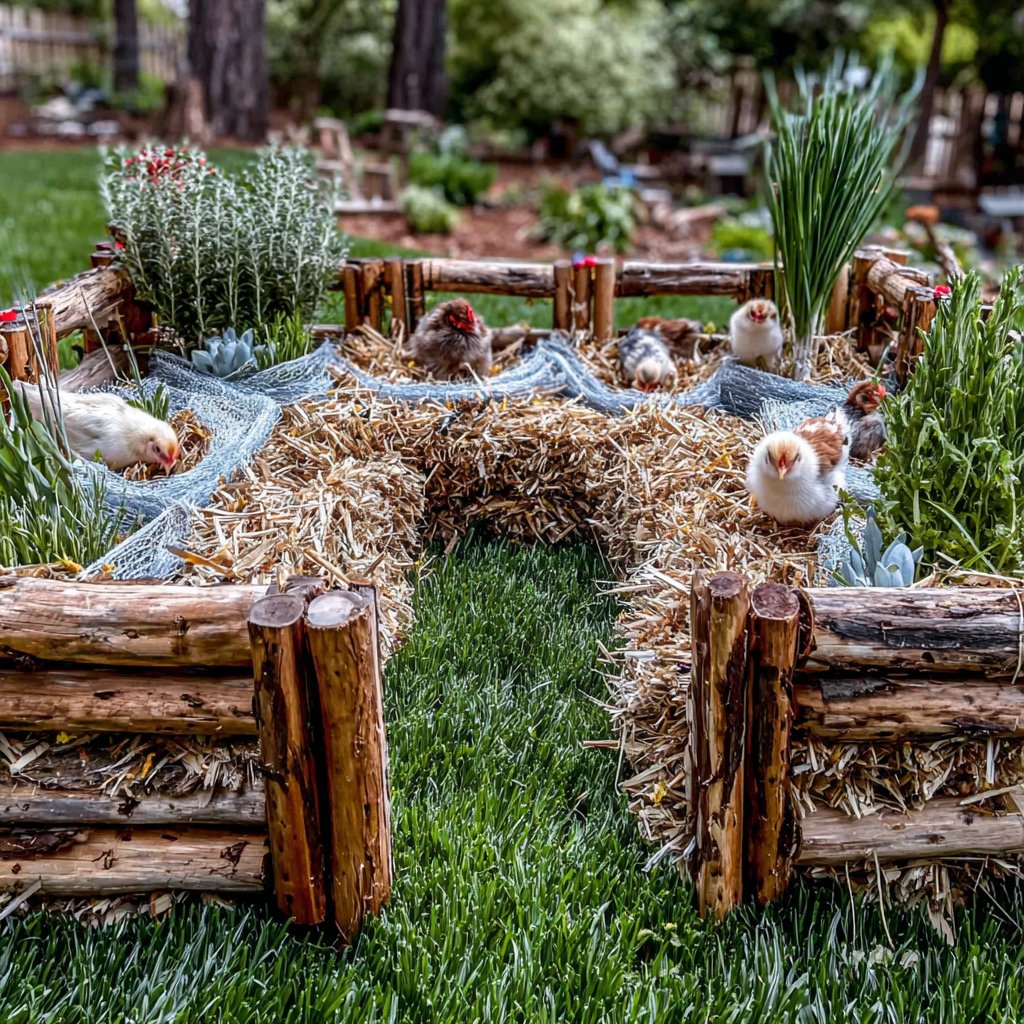
Why You Will Love This Chicken Run Plan
- Affordable materials that won't break the bank
- Simple design features that make maintenance a breeze
- A safe, enjoyable space for your chickens to thrive
Design Considerations
When planning your chicken run, the design is crucial for both functionality and the wellbeing of your chickens. A good starting point is a rectangular shape that is easy to partition for different activities, such as dust bathing or foraging. Ensure the run is at least 4 feet tall so that you can comfortably enter it for cleaning and maintenance. The dimensions should allow for at least 10 square feet per chicken to provide ample space for roaming and preventing overcrowding, which can lead to stress among your flock.
Ventilation is another important factor in your design. Chickens require fresh air circulation to keep them healthy, so including mesh panels or vents can help. I recommend using hardware cloth rather than chicken wire, which is more vulnerable to predators. Ensure that these structures are secured tightly to prevent any potential escapes, as chickens can be quite resourceful when they want to explore beyond their run.
Material Selection
Choosing the right materials is essential for durability and safety in your chicken run. Opt for pressure-treated wood for the frame, as it withstands the elements better than untreated wood. For the flooring, consider options like gravel or sand, which allow for drainage and reduce mud in rainy conditions. This is especially helpful in maintaining a pleasant environment as chickens can create a mess when confined to a small area.
Before starting the construction, it’s beneficial to research local building codes that may pertain to animal enclosures. This can save you from potential fines and ensure that your run adheres to necessary regulations. Don’t forget about the nesting boxes and roosting bars; adding these features inside the run provides additional comfort for your chickens and encourages natural behaviors.
Maintenance Tips
Once your chicken run is complete, regular maintenance will keep your flock healthy and happy. A consistent cleaning schedule is vital; I recommend cleaning out waste at least once a week to prevent build-up that can attract pests and produce unpleasant odors. Also, consider adding a layer of fresh bedding like straw or wood shavings to help absorb moisture and keep the space comfortable for your birds.
In terms of predator-proofing, regularly check for any weak spots in your fence or hardware cloth, especially after adverse weather conditions. Animals such as raccoons or foxes are often more desperate for food during colder months and may attempt to breach your run. Tightening any loose panels and inspecting hinges monthly will help maintain a fort-like security for your feathers.
Pro Tips
- Always check local regulations regarding backyard chickens to ensure compliance with any pertinent laws.
Enhancing the Chicken Run
Consider adding enriching elements to your chicken run to promote natural behaviors. Half-buried logs, stumps, or secure play structures can provide climbing opportunities, while shallow containers of dirt allow for dust bathing, which is essential for their feather care. Additionally, hang greens or forageable plants from the run’s roof as a treat that encourages foraging instincts and keeps your chickens engaged over time.
Creating shaded areas within the run is also important, especially during the hot summer months. Planting sunflowers around the edges or positioning a simple tarp can offer relief from the heat. Providing access to fresh water and ensuring it’s kept clean will maintain hydration, promoting overall health and activity levels in your flock.
Weatherproofing Your Run
To ensure your chicken run withstands the elements, consider constructing a roof if you live in an area prone to heavy rain or snow. A slanted roof can provide effective drainage, while also allowing sunlight in. Use materials like metal or treated plywood, both of which can add longevity to your run. Make sure that any roofing includes ventilation spots to avoid trapping heat and humidity.
In colder climates, reinforcing insulation in the coop area of your run can keep your flock warm during winter. Hay bales against the walls or weather-resistant tarps can help maintain a comfortable temperature. Be sure to monitor your chickens closely for signs of distress during extreme weather conditions, as they can be vulnerable if not adequately protected.
Seasonal Adjustments
As the seasons change, so too will your chicken run’s requirements. In winter, adding deeper bedding helps to insulate your chickens from the cold ground. In contrast, during summer, ensuring adequate ventilation is key. I suggest placing fans or creating cross-ventilation areas to circulate air efficiently and reduce overheating risks, especially in tightly enclosed runs.
Don’t forget to rotate outdoor access for your chickens if you have a larger setup. Giving them new sections to explore can prevent overgrazing and help establish a healthier living environment. Seasonal plant growth can also provide natural shade and entertainment, which is beneficial for their mental and physical wellbeing as you welcome each changing season.
Questions About Recipes
→ What materials do I need to build a chicken run?
You'll need wood for the frame, chicken wire for fencing, and some type of substrate for the floor like sand or straw.
→ How much space do my chickens need?
Chickens need at least 10 square feet per bird in the run to ensure they have enough room to move around.
→ How do I protect my chickens from predators?
Make sure your chicken run is fully enclosed with sturdy fencing and consider adding a solid roof for additional safety.
→ Can I move the chicken run?
Yes, a portable chicken run can be a great option to allow your chickens to graze on different areas of your yard.
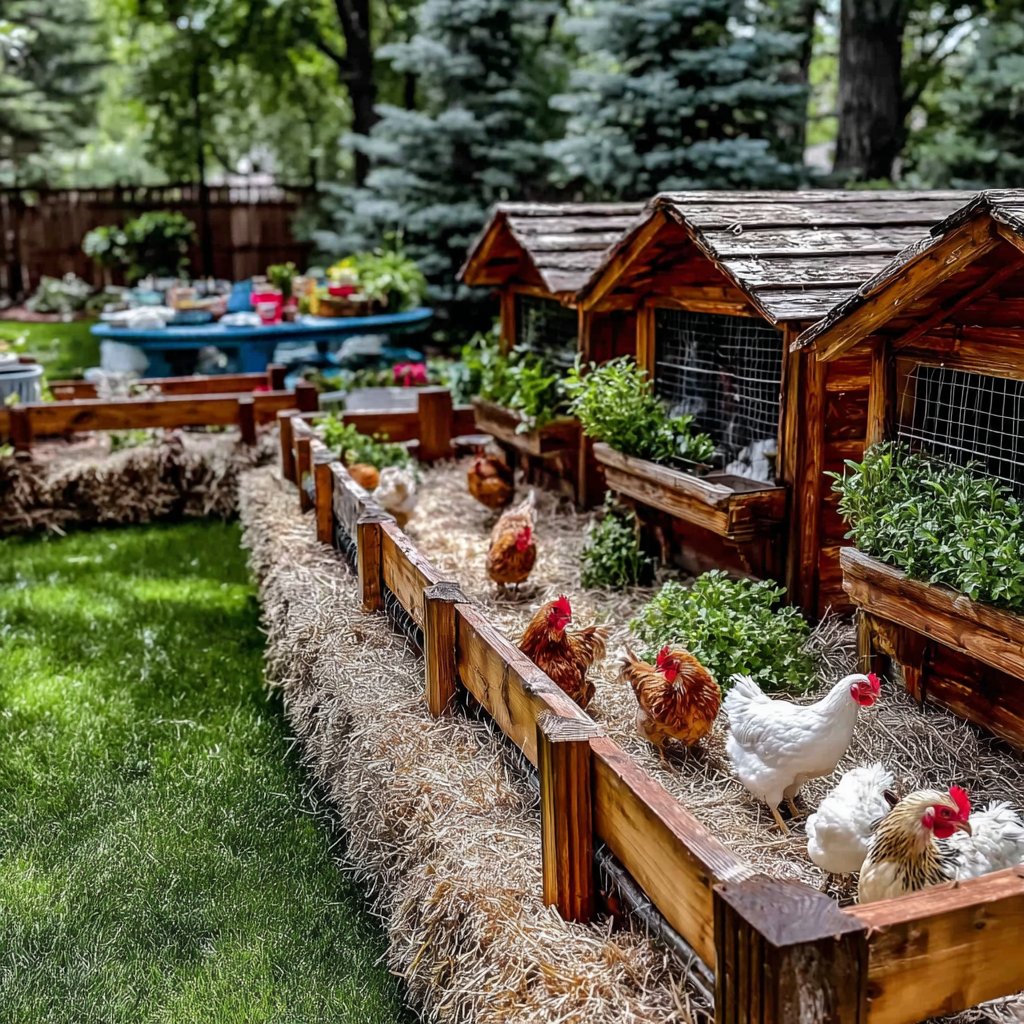
Small Backyard Chicken Run Plan
Extra Tips
- Always check local regulations regarding backyard chickens to ensure compliance with any pertinent laws.