Buttery Croissant Recipes At Home
Highlighted under: Daily Planning
I love making croissants at home, and the joy of biting into a perfectly flaky, buttery pastry is unmatched. There's something special about the aroma of freshly baked croissants filling the kitchen, bringing a sense of warmth and comfort. This recipe has been a favorite in my household, and the process is not as daunting as it may seem. With a little patience and the right techniques, you can enjoy the process and the reward of delicious homemade croissants.
When I first attempted making croissants, I was surprised by how rewarding the process was. The key is to start with cold ingredients and layer the butter carefully to achieve those delightful flaky layers. Using high-quality butter makes a noticeable difference in flavor and texture, so don’t skimp on that!
After some practice, I found that achieving the perfect rise and golden color requires a good oven spring. I use a baking stone to help with heat retention, which gives that bakery-quality crunch. Now, these croissants have become a staple on the weekends, and my family can't get enough of them!
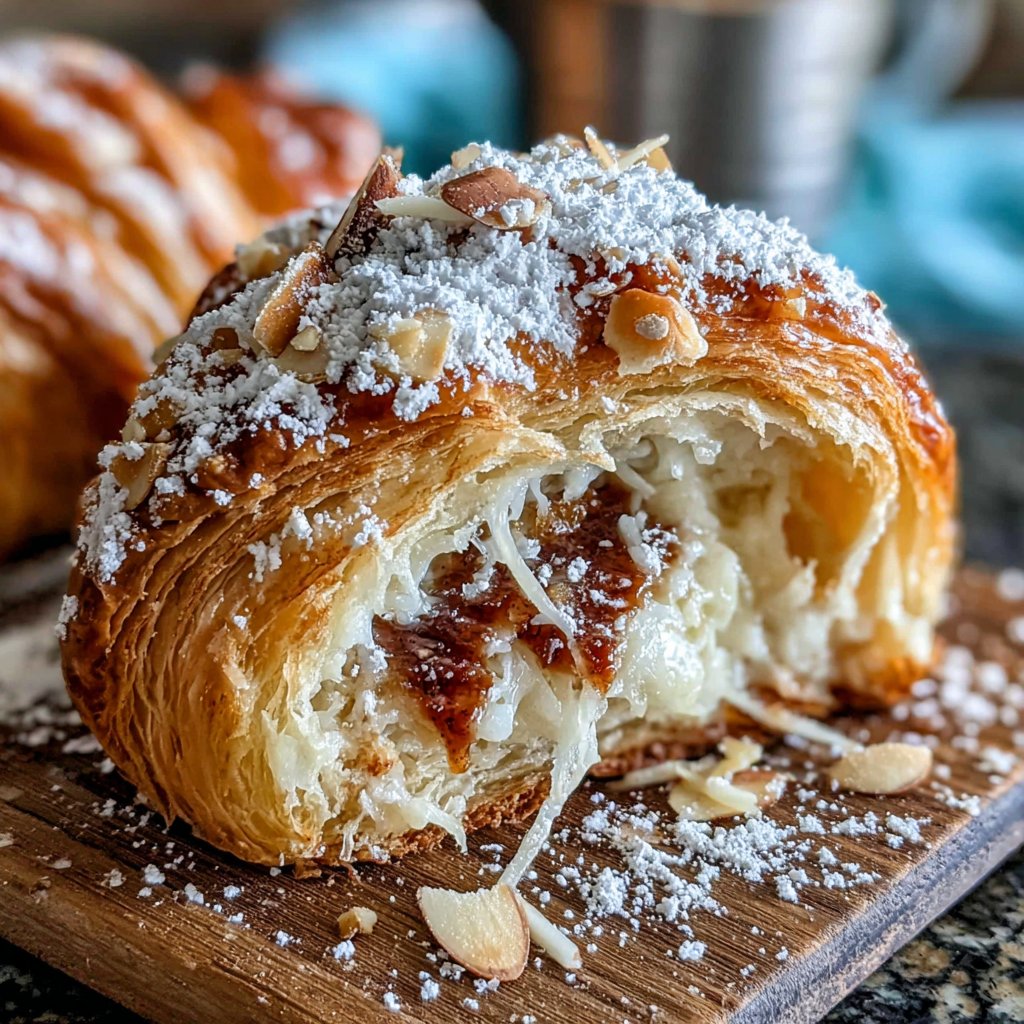
Here’s Why You’ll Love These Croissants
- Flaky layers that melt in your mouth
- Rich buttery flavor that stands out
- Perfect for breakfast or as a snack any time
Understanding the Dough
The foundation of any great croissant lies in the dough, which combines flour, sugar, salt, and yeast in a precise manner. Using all-purpose flour provides just the right amount of protein to create a chewy texture while still allowing the layers to puff beautifully. For best results, make sure your yeast is fresh and active by checking its expiration date before starting. The warm milk is crucial because it activates the yeast, helping the dough rise effectively, which ultimately leads to those light, airy layers we crave in croissants.
Kneading the dough for about five minutes develops the gluten structure that will support the croissant's flaky layers. While kneading, I look for a smooth texture; the dough should be slightly tacky but not overly sticky. If you find it sticking to your hands too much, a light dusting of flour can help. After kneading, wrapping the dough properly and refrigerating it for one hour allows it to relax, making the rolling process easier and helping develop the right flavor through fermentation.
Mastering the Lamination Process
Laminating the dough is where the magic happens, creating those distinctive flaky layers. The key is to keep the butter cold and solid; this prevents it from melting into the dough during rolling. I recommend cutting the butter into a slab that you can easily fold into the dough without cracking. When you roll out the dough, aim for an even rectangle and maintain a uniform thickness to ensure consistent layers. If the dough feels too warm while rolling, take a short break and refrigerate it to maintain the right temperature.
Performing the folds correctly is essential for a successful lamination process. After each fold, chill the dough again before the next roll-out, typically for 30 minutes. This step helps retain the layers and creates the flakiness desired in a perfect croissant. Keep an eye on the number of folds; ideally, you want to achieve at least three folds to create dozens of layers, which expand and separate during baking, forming those delightful pockets of air.
Tips for Perfect Baking
Baking the croissants requires attention to both temperature and timing. Preheating the oven to 425°F (220°C) is essential for achieving that initial burst of heat that gives the layers their lift. I often place a baking stone in the oven; it helps maintain consistent heat throughout the baking process and contributes to a nice, crispy crust. Keep an eye on the croissants as they bake; you’re looking for a deep golden color, which can take anywhere from 15 to 20 minutes, depending on your oven's calibration.
After removing them from the oven, I let the croissants cool for a few minutes on a wire rack. This step allows any steam trapped inside to escape, preventing sogginess. If you have any leftover croissants, store them in an airtight container at room temperature for up to two days. For longer storage, you can freeze them after they cool completely. Just reheat in a 350°F (175°C) oven for about 10-15 minutes to enjoy that fresh-baked flavor again!
Ingredients
Gather the following ingredients to make your buttery croissants:
For the Croissant Dough
- 4 cups all-purpose flour
- 1/4 cup granulated sugar
- 1 tablespoon salt
- 1 tablespoon instant yeast
- 1 1/4 cups whole milk, warm
- 1 1/4 cups unsalted butter, cold
For the Egg Wash
- 1 large egg
- 1 tablespoon water
Make sure to prep your ingredients in advance for a smoother process.
Instructions
Follow these steps to create the perfect croissants:
Prepare the Dough
In a large bowl, mix the flour, sugar, salt, and yeast together. Gradually add the warm milk, stirring until a dough forms. Knead the dough for about 5 minutes, then wrap it in plastic wrap and refrigerate for 1 hour.
Laminate the Dough
Roll the chilled dough into a rectangle. Place the cold butter in the center, fold the dough over the butter, and seal the edges. Roll out the dough into a long rectangle, then fold it into thirds. Repeat this rolling and folding process two more times, refrigerating in between if necessary.
Shape the Croissants
On a lightly floured surface, roll the laminated dough into a large rectangle. Cut triangles and roll them up from the base to the tip. Place the shaped croissants on a baking sheet lined with parchment paper.
Proof and Bake
Let the croissants proof for about 90 minutes in a warm place. Preheat the oven to 425°F (220°C). For the egg wash, whisk the egg and water together and brush over the croissants. Bake for 15-20 minutes or until golden brown.
Let your croissants cool slightly before enjoying them fresh out of the oven!
Pro Tips
- Consider using a pastry mat for easier rolling, and always check the temperature of your kitchen, as warmer areas can affect dough rise.
Ingredient Substitutions
If you're looking for a dairy-free option, you can substitute the unsalted butter with a plant-based butter alternative. However, ensure that the alternative has a similar fat content to maintain the dough's rich texture. For the whole milk, consider using unsweetened almond or oat milk; just warm it up slightly to match the temperature of the original recipe. Keep in mind that different brands of plant-based butters may affect the flavor, so choose one that complements the buttery essence of croissants.
For those sensitive to gluten, consider trying a gluten-free all-purpose flour blend, but note that this may change the texture slightly. Some blends include xanthan gum, which can help mimic the elasticity of gluten. Following the same mixing and kneading times will help maintain the integrity of your pastry as much as possible, though you may need to experiment with hydration levels since gluten-free flours behave differently.
Serving Ideas
Croissants are incredibly versatile and can be enjoyed in numerous ways. For a classic treat, serve them warm with a spread of high-quality butter and a drizzle of homemade jam for breakfast or brunch. You can also layer the croissant with slices of ham and cheese for a quick savory snack that perfectly complements a light salad or fresh fruit.
If you're feeling adventurous, consider making a croissant sandwich by filling them with fresh ingredients like avocado, smoked salmon, or roasted vegetables. The flaky texture of the croissant pairs wonderfully with creamy or tangy fillings and elevates any meal. Serve them alongside a rich cup of coffee or hot chocolate for a delightful afternoon indulgence!
Common Troubleshooting
One common mistake when making croissants is having overly soft or melted butter during lamination. If this happens, your croissants can turn out flat and dense instead of light and flaky. Always make sure your butter is cold, and consider chilling your dough briefly between rolls if it begins to soften too much.
If your croissants fail to rise during baking, it could be due to inactive yeast or not allowing enough time for proofing. Always check the yeast's freshness, and allow the croissants to proof until they have nearly doubled in size. Look for a puffy appearance and light texture before baking; this will greatly influence the final outcome of your croissants.
Questions About Recipes
→ Can I use whole wheat flour?
Yes, but the texture may be denser. Mixing whole wheat with all-purpose flour works well.
→ How long do the croissants last?
They are best eaten fresh but can be stored in an airtight container for up to 3 days.
→ Can I freeze croissants?
Absolutely! Freeze them before baking for easy future treats. Just proof and bake when you’re ready.
→ Why is my croissant dough too sticky?
Make sure to accurately measure your flour. If it’s too sticky, you can add a little extra flour while kneading.

Buttery Croissant Recipes At Home
Created by: Francesca Holt
Recipe Type: Daily Planning
Skill Level: Intermediate
Final Quantity: 12 croissants
What You'll Need
For the Croissant Dough
- 4 cups all-purpose flour
- 1/4 cup granulated sugar
- 1 tablespoon salt
- 1 tablespoon instant yeast
- 1 1/4 cups whole milk, warm
- 1 1/4 cups unsalted butter, cold
For the Egg Wash
- 1 large egg
- 1 tablespoon water
How-To Steps
In a large bowl, mix the flour, sugar, salt, and yeast together. Gradually add the warm milk, stirring until a dough forms. Knead the dough for about 5 minutes, then wrap it in plastic wrap and refrigerate for 1 hour.
Roll the chilled dough into a rectangle. Place the cold butter in the center, fold the dough over the butter, and seal the edges. Roll out the dough into a long rectangle, then fold it into thirds. Repeat this rolling and folding process two more times, refrigerating in between if necessary.
On a lightly floured surface, roll the laminated dough into a large rectangle. Cut triangles and roll them up from the base to the tip. Place the shaped croissants on a baking sheet lined with parchment paper.
Let the croissants proof for about 90 minutes in a warm place. Preheat the oven to 425°F (220°C). For the egg wash, whisk the egg and water together and brush over the croissants. Bake for 15-20 minutes or until golden brown.
Extra Tips
- Consider using a pastry mat for easier rolling, and always check the temperature of your kitchen, as warmer areas can affect dough rise.
Nutritional Breakdown (Per Serving)
- Calories: 350 kcal
- Total Fat: 20g
- Saturated Fat: 12g
- Cholesterol: 60mg
- Sodium: 210mg
- Total Carbohydrates: 38g
- Dietary Fiber: 2g
- Sugars: 4g
- Protein: 8g