Small Backyard Chicken Run
Highlighted under: Simple Planning
I can't express how rewarding it is to have chickens in our backyard. After diving into this project, I realized that building a small chicken run offers not only a safe space for them but also a delightful way to enjoy fresh eggs every day. My family and I love spending time watching them roam, and having a dedicated area keeps them secure and happy. By the end of this guide, you’ll be ready to create your own little chicken paradise with ease and confidence.
When I first started planning my small backyard chicken run, I was overwhelmed by the options. After much research, I realized that a basic, secure structure with ample space for my chickens was key to their happiness. I used simple materials, which I found at my local hardware store, and built something that fits nicely in my yard without being an eyesore.
One of my favorite parts of the process was customizing the run with plants and perches that would keep my hens entertained. Watching them explore their little habitat truly brings joy to our family. I also discovered that adding a small shelter helps protect them from harsh weather, ensuring they stay healthy and comfortable year-round.
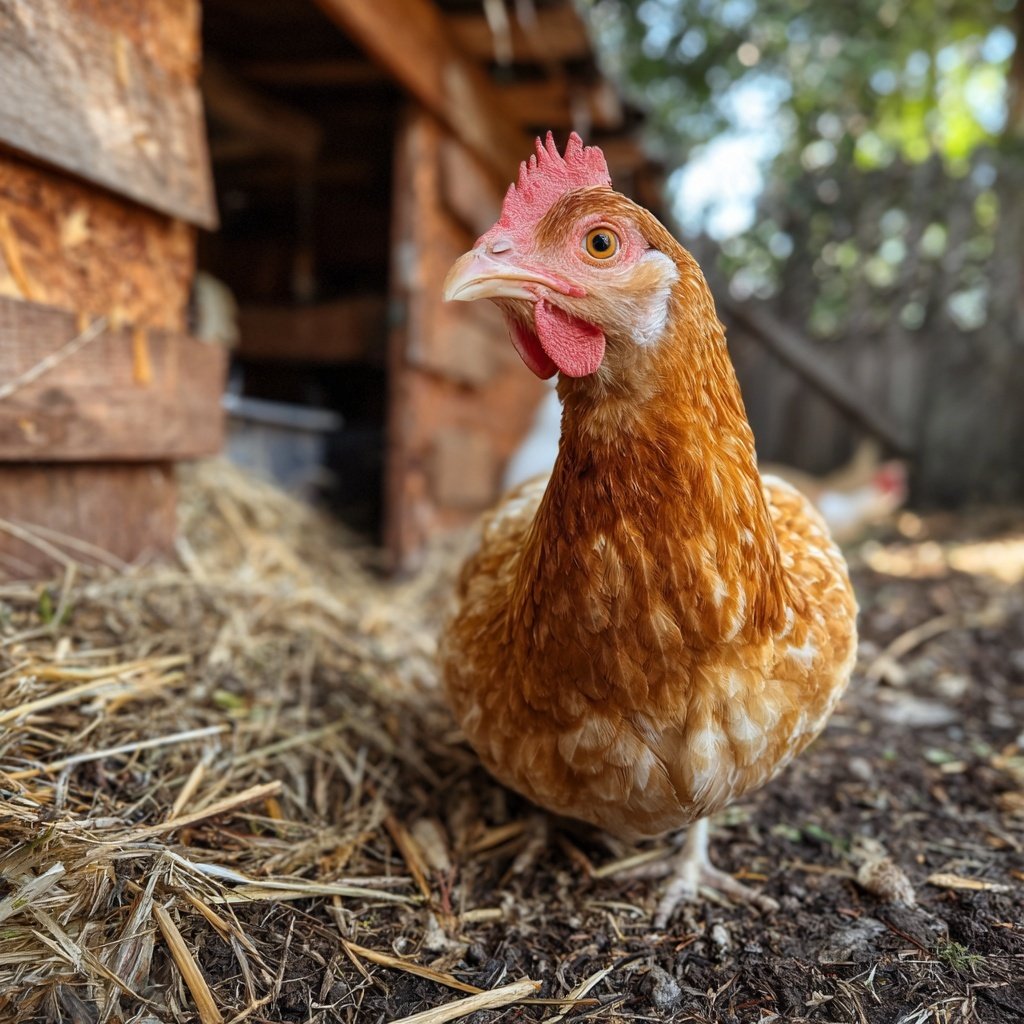
Why You'll Love This Chicken Run
- An easy way to enjoy fresh eggs at home
- A charming addition to your backyard aesthetics
- Provides a fun and educational project for the family
Choosing the Right Location
Selecting an ideal location for your chicken run is crucial for the well-being of your chickens. Look for a spot that not only has good sunlight to keep the chickens warm but also offers some shade to protect them during the hottest part of the day. Avoid low-lying areas that may collect rainwater. If you can, consider positioning the run near your kitchen for easy access to fresh eggs.
Once you’ve pinpointed the perfect spot, spend some time observing the area's dynamics. Take note of how the sun shifts throughout the day and how weather patterns affect the location. It’s also important to check for possible hazards, such as nearby wild animal activity or inundation risks. Proper planning here will save you difficulties down the road.
Essential Construction Tips
The sturdiness of your chicken run heavily relies on the quality of your framing. When you construct the frame, use treated wood that can resist rot, ensuring longevity. Secure every joint with nails or screws, and consider adding diagonal braces for added strength. A well-constructed frame provides a solid foundation for everything else and minimizes risks from weather stressors.
For attaching fencing, ensure you’re using high-quality wire mesh with small openings to prevent young chicks from escaping and predators from getting in. Check that the mesh is at least six feet high; this helps discourage animals that may attempt to dig underneath the run. If using wooden panels, opt for those that are at least 1 inch thick to enhance security. Regularly inspect the fencing for damages over time.
Materials Needed
Materials
- Wooden fence panels or wire mesh
- Wood for the frame
- Hinges and latch for the door
- Chicken coop or shelter
- Concrete blocks (for stability)
- Shovel and nails
- Paint (optional for aesthetics)
Make sure to check local regulations on chicken keeping to ensure compliance.
Building Steps
Plan Your Space
Decide on a suitable location in your backyard that receives sunlight but also provides shade during hot days. Measure out the area for the chicken run, ensuring it is spacious enough to keep the chickens comfortable.
Gather Materials
Collect all the materials needed for building the run. It's important to choose durable materials that can withstand weather changes and ensure your chickens are safe from predators.
Construct the Frame
Using the wood, build a strong frame for the run. Make sure to secure it well with nails and ensure it is sturdy enough to hold the fencing until completion.
Attach Fencing
Once the frame is secure, attach the wire mesh or wooden fence panels around the entire structure. Ensure there are no gaps where predators could get in.
Create the Entrance
Build a door using the same materials, attaching it with hinges and adding a latch to keep it securely closed. This provides easy access for you while keeping the chickens safe.
Add the Shelter
Include a small coop or shelter inside the run where the chickens can sleep and lay eggs. Make it cozy and protected from the elements.
Finish Up
Finally, check for any sharp edges or protruding nails that could harm the chickens. Your run is now complete and ready for your feathered friends!
Regularly check on the run to ensure everything remains secure and clean for the chickens.
Pro Tips
- Consider planting some grass or herbs inside the run to provide your chickens with a natural foraging experience. They love to peck at fresh plants, which will also enrich their diet.
Maintaining Your Chicken Run
Maintaining your chicken run is as vital as building it. Regularly clean the inside of the run to manage waste and to ensure a hygienic environment for your chickens. Add new bedding—like straw or wood shavings—every few weeks to soak up moisture and reduce odors. This will not only benefit the chickens’ health but also boost egg production.
Check the run's structural integrity frequently. Look for signs of wear in the fencing, shelter, and door mechanisms. A good rule of thumb is to perform a thorough inspection at least once a month. This proactive approach helps you catch any issues before they escalate, such as loose boards or rusting hinges.
Fun Ways to Engage with Your Chickens
Engaging with your chickens can be a fun and rewarding experience. Consider creating obstacle courses with tunnels or perches in their run to stimulate their natural instincts. Chickens are curious creatures, and this can keep them active and healthy. Take time each day to spend with them—observe their behavior or let them out for a free range in a secure area.
Incorporate treats like kitchen scraps or specialized chicken treats to encourage interaction. This not only makes them more comfortable around you but can also help enhance their egg production. Adding small foraging toys can also keep your chickens entertained, stimulating both physical and mental exercise.
Questions About Recipes
→ How much space do chickens need in a run?
Generally, each chicken should have at least 4 square feet in a run.
→ Can I keep my chickens in the run all day?
Yes, as long as they have adequate shelter, food, and water.
→ What can I use for bedding in the coop?
You can use straw, wood shavings, or shredded paper as bedding.
→ How do I protect my chickens from predators?
Make sure your run is securely fenced, with no gaps or weak spots, and consider adding a roof to protect from aerial predators.
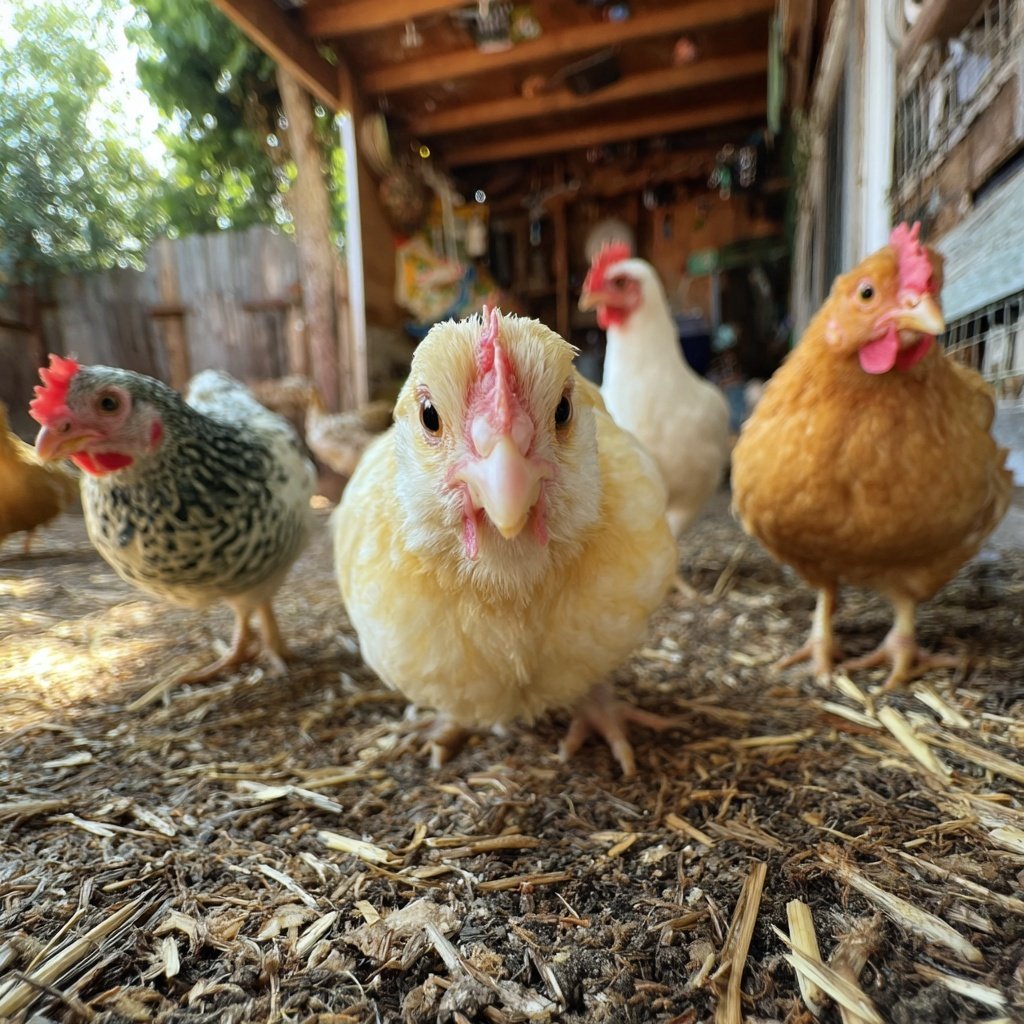
Small Backyard Chicken Run
What You'll Need
Materials
- Wooden fence panels or wire mesh
- Wood for the frame
- Hinges and latch for the door
- Chicken coop or shelter
- Concrete blocks (for stability)
- Shovel and nails
- Paint (optional for aesthetics)
How-To Steps
Decide on a suitable location in your backyard that receives sunlight but also provides shade during hot days. Measure out the area for the chicken run, ensuring it is spacious enough to keep the chickens comfortable.
Collect all the materials needed for building the run. It's important to choose durable materials that can withstand weather changes and ensure your chickens are safe from predators.
Using the wood, build a strong frame for the run. Make sure to secure it well with nails and ensure it is sturdy enough to hold the fencing until completion.
Once the frame is secure, attach the wire mesh or wooden fence panels around the entire structure. Ensure there are no gaps where predators could get in.
Build a door using the same materials, attaching it with hinges and adding a latch to keep it securely closed. This provides easy access for you while keeping the chickens safe.
Include a small coop or shelter inside the run where the chickens can sleep and lay eggs. Make it cozy and protected from the elements.
Finally, check for any sharp edges or protruding nails that could harm the chickens. Your run is now complete and ready for your feathered friends!
Extra Tips
- Consider planting some grass or herbs inside the run to provide your chickens with a natural foraging experience. They love to peck at fresh plants, which will also enrich their diet.
Nutritional Breakdown (Per Serving)
- Calories: 0 kcal
- Total Fat: 0g
- Saturated Fat: 0g
- Cholesterol: 0mg
- Sodium: 0mg
- Total Carbohydrates: 0g
- Dietary Fiber: 0g
- Sugars: 0g
- Protein: 0g